▫️ Two Nobel Laureates Were Right About the Trade. It Still Ended in Weeks.
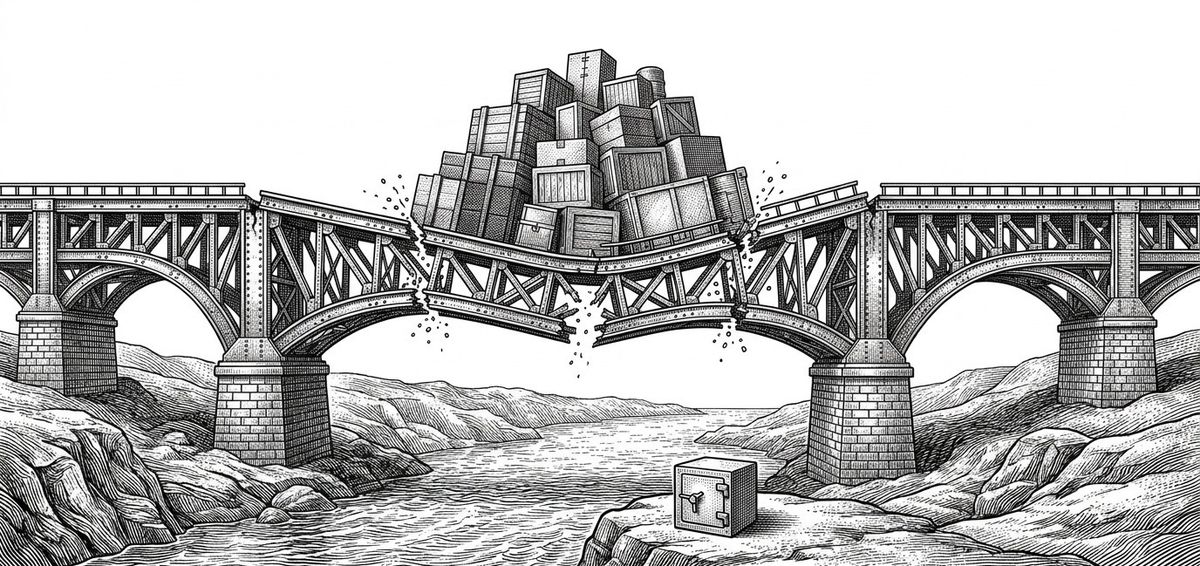
A conviction you cannot hold through a drawdown converts into a forced sale at the worst price.
▫️ THE CORE TOPIC
Most investors spend their attention on one question: what happens next. Research, forecasts and briefings all point there, and it feels like the decision that matters. Get the call right and the rest supposedly follows.
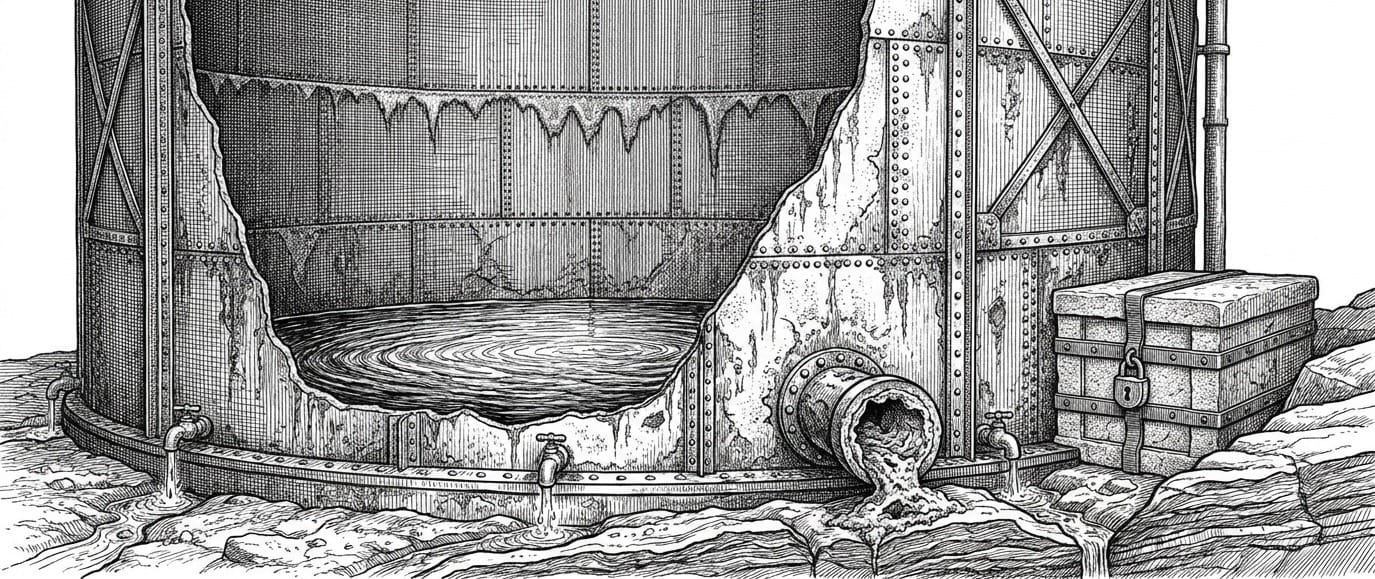
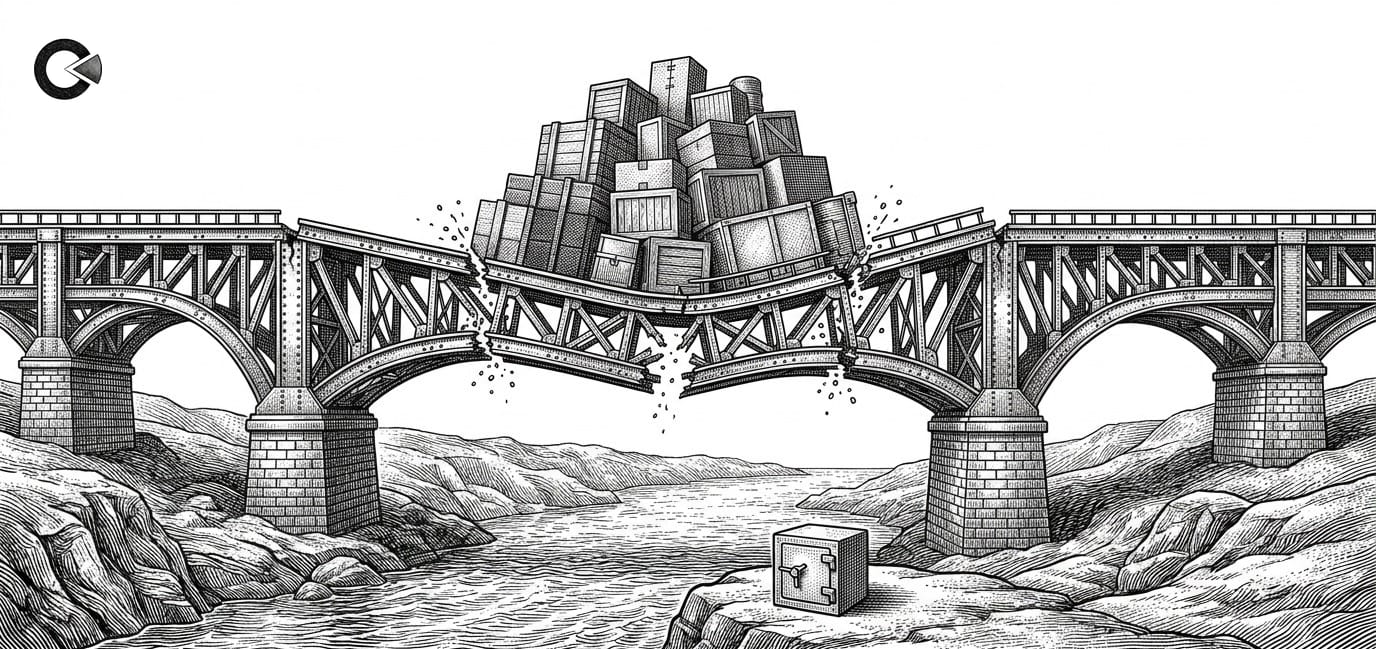
The rest does not follow. The same view, held in two sizes, produces two completely different outcomes. Put 3% of your capital behind an idea and you can wait years for it to work. Put 60% behind it, with borrowed money on top, and a temporary move against you ends the position before the thesis has a chance. When a respected analyst names a company to avoid or a coming shift to position for, that call is half the decision. How much you commit is the other half, and it belongs to you.
The arithmetic is unforgiving. A position that falls 50% needs a 100% gain to break even, and one that falls 75% needs a fourfold recovery. Reviewing the most famous failure of this kind, the Federal Reserve described a firm that reached further for return by borrowing more.
▫️ THE MECHANISM
Size converts an opinion into an outcome through several gears.
- Ruin is permanent, drawdown is not. Losses compound against you faster than gains compound for you, so avoiding the deep hole matters more than catching the big move.
- Borrowed money removes your patience. A lender can demand repayment at the exact moment your thesis is most out of favour, forcing a sale you would never choose.
- Timing risk is size risk. A prediction about what comes next, however well argued, carries no schedule, and only a small position can wait indefinitely for one.
- Concentration hides in plain sight. Several separate positions built on the same underlying story are, in practice, one large bet wearing different names.
The forecast sets the direction. The size sets whether you are still holding when it arrives.
▫️ THE CASE FILE
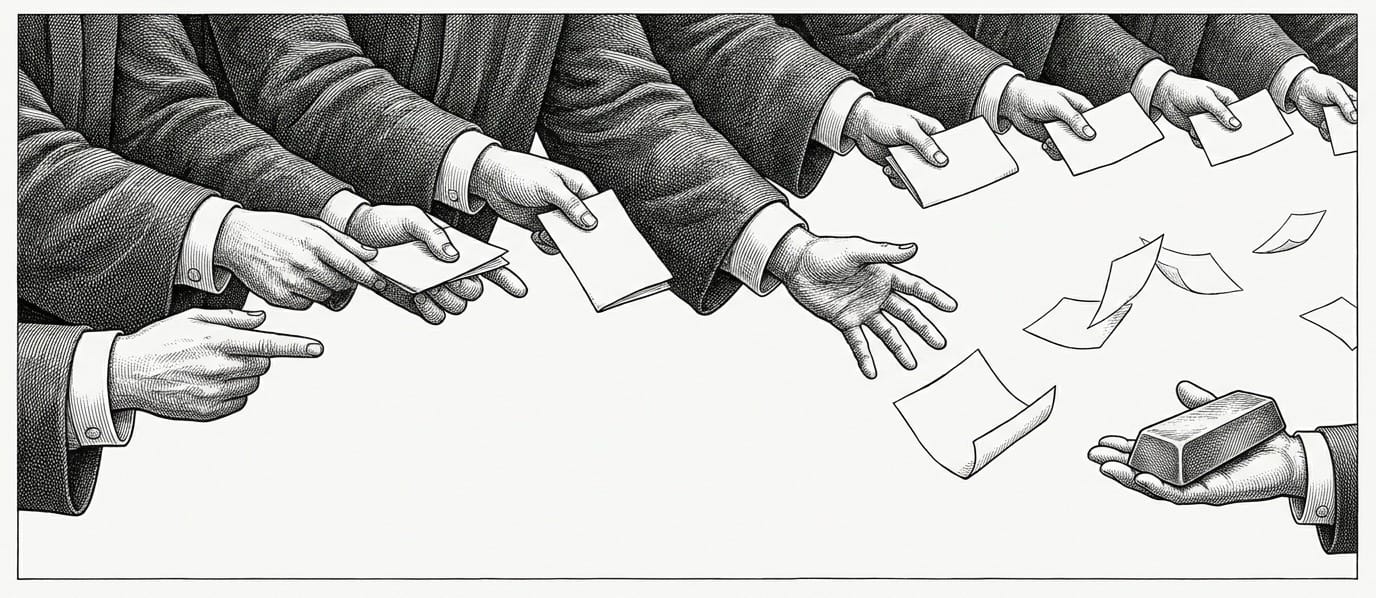
Long-Term Capital Management was as close to certainty as finance gets. Its partners included two 1997 Nobel laureates in economics and a former vice chairman of the Federal Reserve, and its trades were built on relationships that had held for decades.
The models were not the problem. Borrowing reached roughly 25 to 1, so a small adverse move became a fatal one. When Russia defaulted in 1998, prices went against the fund and it lost about $4.6 billion in under five months.
Nothing about the underlying view had changed. Fourteen banks put up around $3.6 billion to unwind the positions in an orderly way, and several of those trades went on to make money for whoever inherited them.
▫️ THE PRESSURE TEST
- Too small is also a cost. Sizing everything at 1% guarantees survival and guarantees that nothing you get right ever changes your position.
- Diversification has limits. Twenty holdings that depend on the same outcome offer far less protection than the number suggests.
- Cash has an opportunity cost. Capital held back for flexibility earns little while it waits, and that gap is real.
- No formula fits everyone. The right size depends on your income, horizon, and what you can hold without selling.
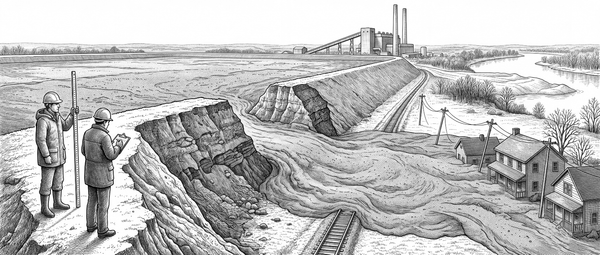
The answer is to build in layers. A foundation that never needs to be sold, then satellites sized so any one can fail without touching it. Gold has held that base position for centuries because it never forces the sale that ruins the rest.
▫️ AUTHOR'S LENS
The traders I watched blow up in Chicago were rarely wrong about direction. They were wrong about how much. I remember one who called the move perfectly and was carried out anyway, because he could not survive the three weeks before it happened.That is why I decide size before I decide conviction. My foundation is boring on purpose. It means no forecast, mine or anyone else's, can ever cost me more than I chose to risk.Build the structure. Ignore the noise. |  |
▫️ PAST ISSUES