▫️ The Fed Promised $600 Billion. Rates Rose Anyway.
When a catalyst is on every screen, the price has usually already moved to meet it before you.
▫️ THE CORE TOPIC
Markets are supposed to reward the person who sees an event coming. Learn what is about to happen, take your position ahead of the crowd, and collect when the news finally lands. Foresight pays.
It rarely works that way now. Information travels in seconds, and the crowd sees the same event you do. By the time a catalyst is on every screen, the price has already moved to meet it. When the Federal Reserve prepared its $600 billion bond-buying program in 2010, the whole market knew it was coming, so its force was spent before the announcement arrived. This is the flaw in every pitch that one promoted date will suddenly unleash a fortune.
The driver is anticipation. A known future event gets discounted into today's price as buyers move in early, which leaves little for whoever shows up on the day itself.
For your capital, a telegraphed catalyst is usually the worst-kept secret on the market. The question is not what is coming, but how much of it the price already reflects.
▫️ THE MECHANISM
A priced-in event works against the latecomer through a few gears.
- The rumor does the work. Prices move on expectation, not confirmation. By the time the news is official, the buying that mattered has already happened.
- Everyone reads the same script. A heavily promoted catalyst is known to the whole market at once, so there is no edge left in simply knowing it is coming.
- Sell the news. Those who bought the anticipation often sell into the event to collect, so the price can fall on the very day the good news lands.
- The next big date. Even the loudest promise that a founder's coming venture will mint a fortune is a catalyst the market can see and price long before it appears.
The crowd that shows up for the announcement is usually paying for a move that is already over.
▫️ THE CASE FILE
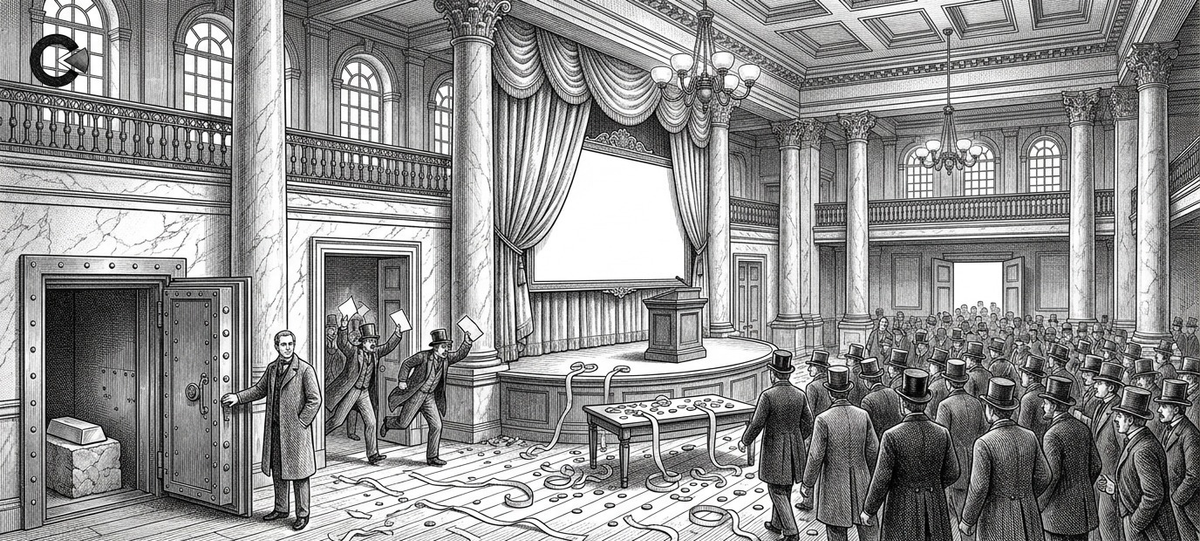
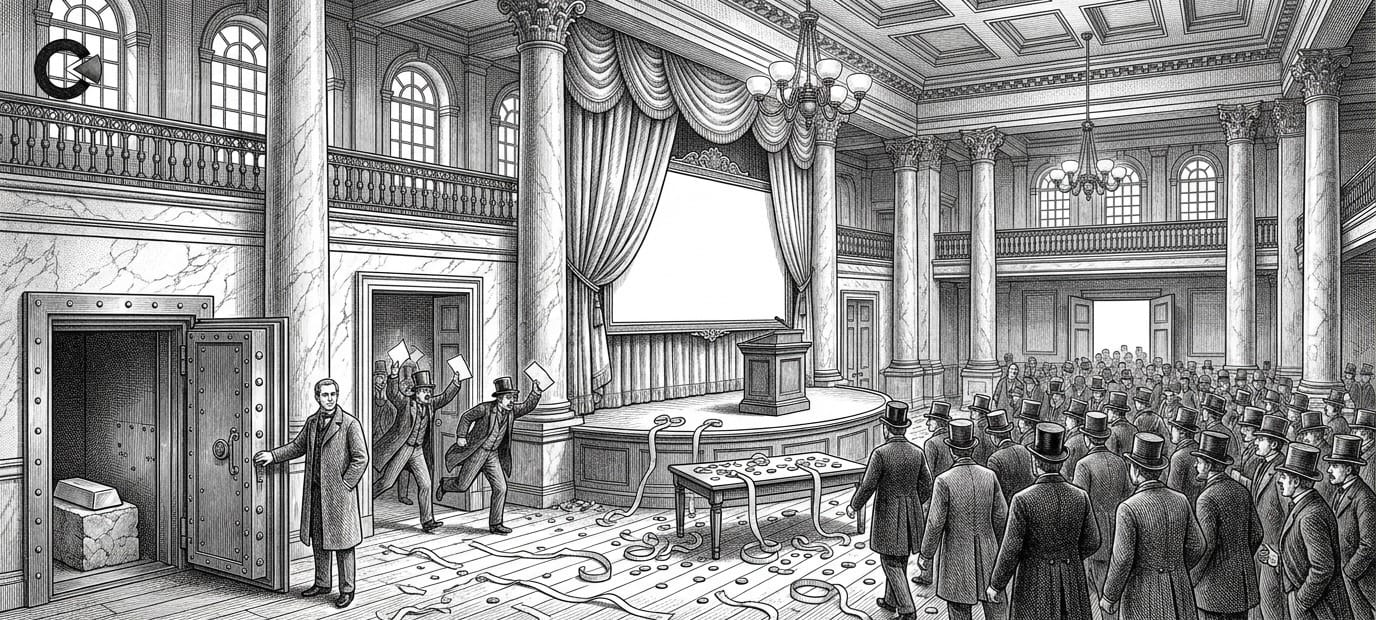
The Federal Reserve's second round of bond buying, known as QE2, is a clean example. For months in 2010 the Fed signaled it was coming, and markets rallied on the expectation the whole way up.
By the time it was official, the news was old. The Fed announced the program on November 3, 2010, as widely expected and priced in. The event that was supposed to move markets had already moved them.
Then came the twist. Buying bonds is meant to push interest rates down, yet the rate on the 10-year Treasury bond rose from 2.65% to 3.73% over the following months. Traders who had bought the rumor sold the fact, and the awaited event marked a turn, not a beginning.
▫️ THE PRESSURE TEST
- Surprises still move markets. A genuinely unexpected event is not priced in and can move hard. This rule is about anticipated events, not all.
- Timing is uncertain. A priced-in event can drift higher before it turns, so "already in the price" is not a signal to act on a date.
- Not every catalyst reverses. Some anticipated events do keep a trend going. The warning is against paying up for a move the crowd already made.
- The promoters win either way. A loudly sold date earns subscriptions and clicks whether or not it pays the buyer.
The steadier path is to own something whose worth does not hinge on any date. Gold needs no announcement to be exactly what it is.
▫️ AUTHOR'S LENS
I stopped chasing dates a long time ago. Every cycle brings a new circle-it-on-your-calendar event that is supposed to change everything, and by the time it arrives the early money has already been paid and gone.So I do not build around a single day. I own the things that hold their value whether the big announcement lands, disappoints, or never comes at all. That is a position no calendar can take away from me.Build the structure. Ignore the noise. |  |
▫️ PAST ISSUES