▫️ America Had 8,000 Listed Companies. It Has Half That Now.
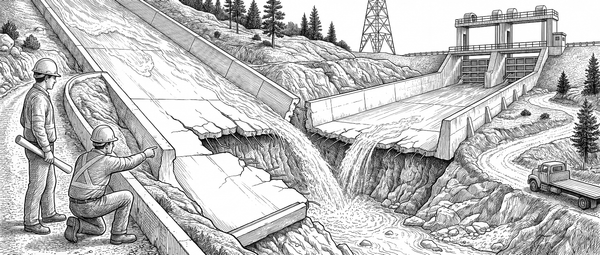
Failures and takeovers cut the American listed universe roughly in half between 1996 and 2012.
▫️ THE CORE TOPIC
The case for owning shares rests on a long record. Over decades the market rises, so patience is rewarded. That chart is real.
What the chart leaves out is everything taken off it along the way. Research covering every American common stock since 1926 found that 86 stocks accounted for $16 trillion of wealth creation, half the market total. All the net wealth creation traced to the thousand best performers, and the remaining 96 percent matched one-month Treasury bills.
The list itself is curated. Companies join when they grow and leave when they shrink, so the membership is rewritten as it goes. What you measure against is not a fixed group of businesses. It is a moving list kept by a committee. The S&P 500 closed Friday at a record 7,757.64 while warnings circulate about a sharp unwind in the AI-linked names, which makes that distinction worth holding.
The consequence is direct. A long-run average tells you what the winners did. It says nothing about your holdings, and nothing about the ones that left.
▫️ THE MECHANISM
Survivorship enters the record through four doors.
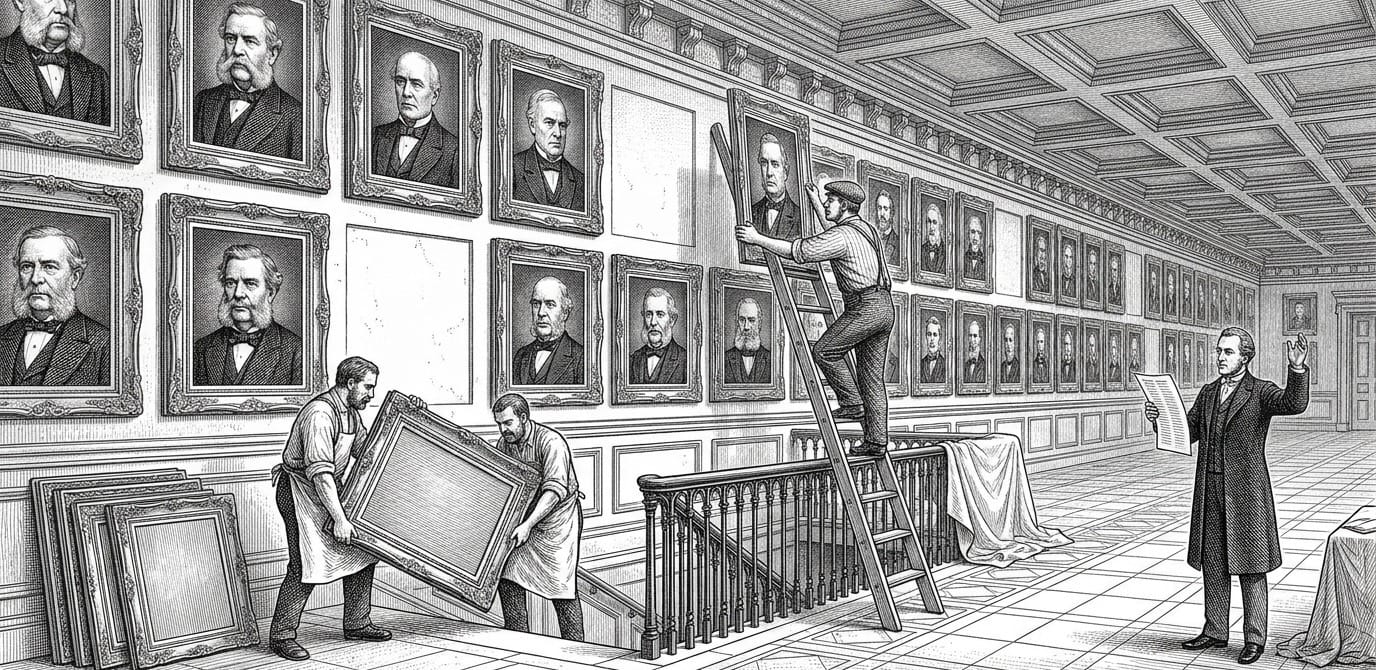
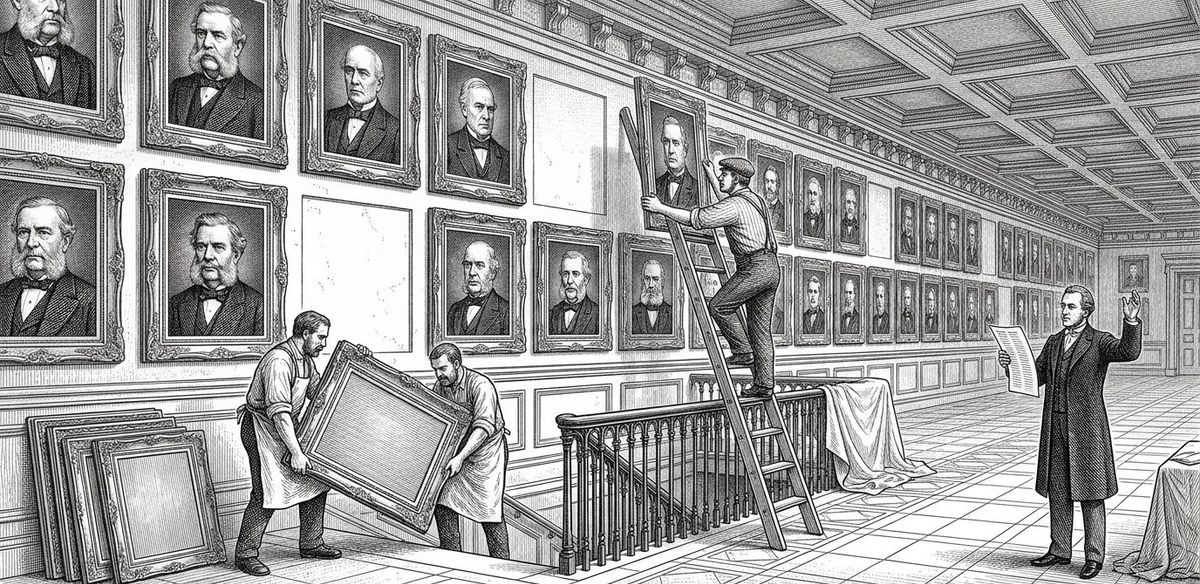
- Deletion is not a loss on the chart. When a company leaves an index, its future no longer appears in the index's numbers. The record simply continues without it, rebased to the members that remain.
- The universe itself shrinks. The number of listed American companies fell from 8,000 to 4,100 between 1996 and 2012, through failures and takeovers.
- Track records are kept by the living. Funds that close stop reporting, and their worst years leave the database with them. Any average you can look up is compiled from managers still open for business.
- Rules are applied by people. Index committees select members with discretion, and discretion tends to follow whatever has already worked.
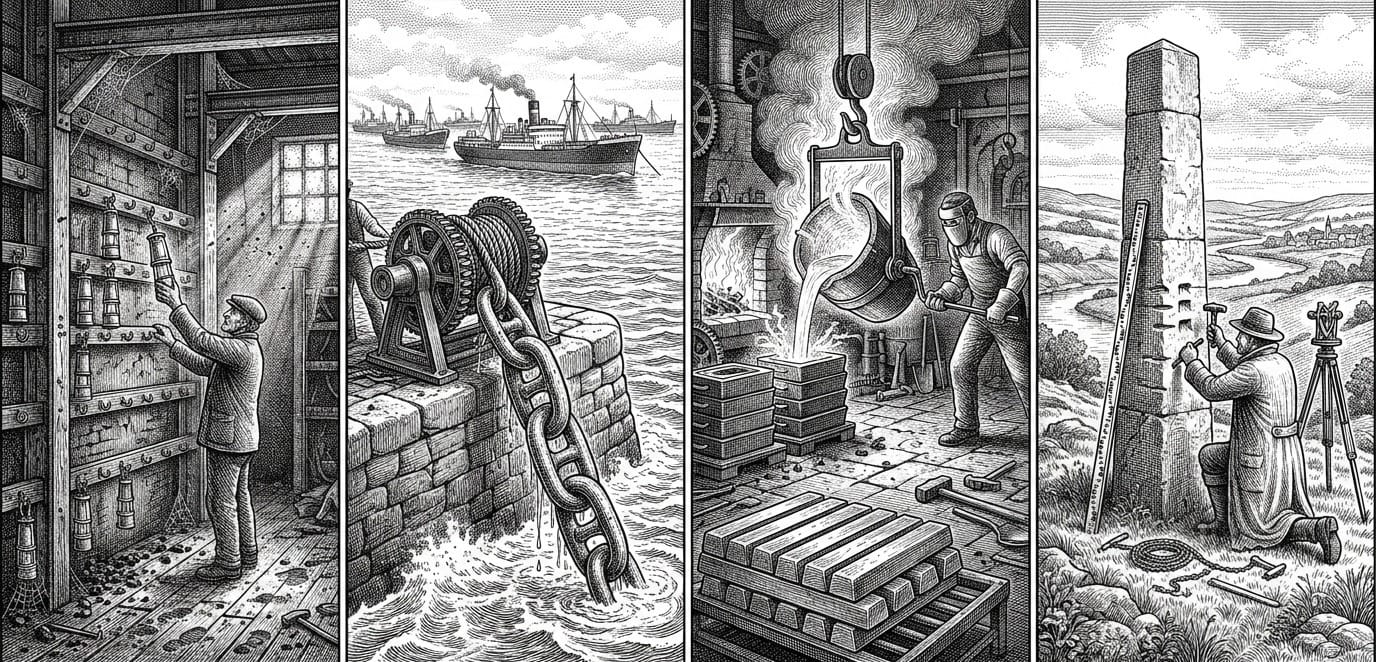
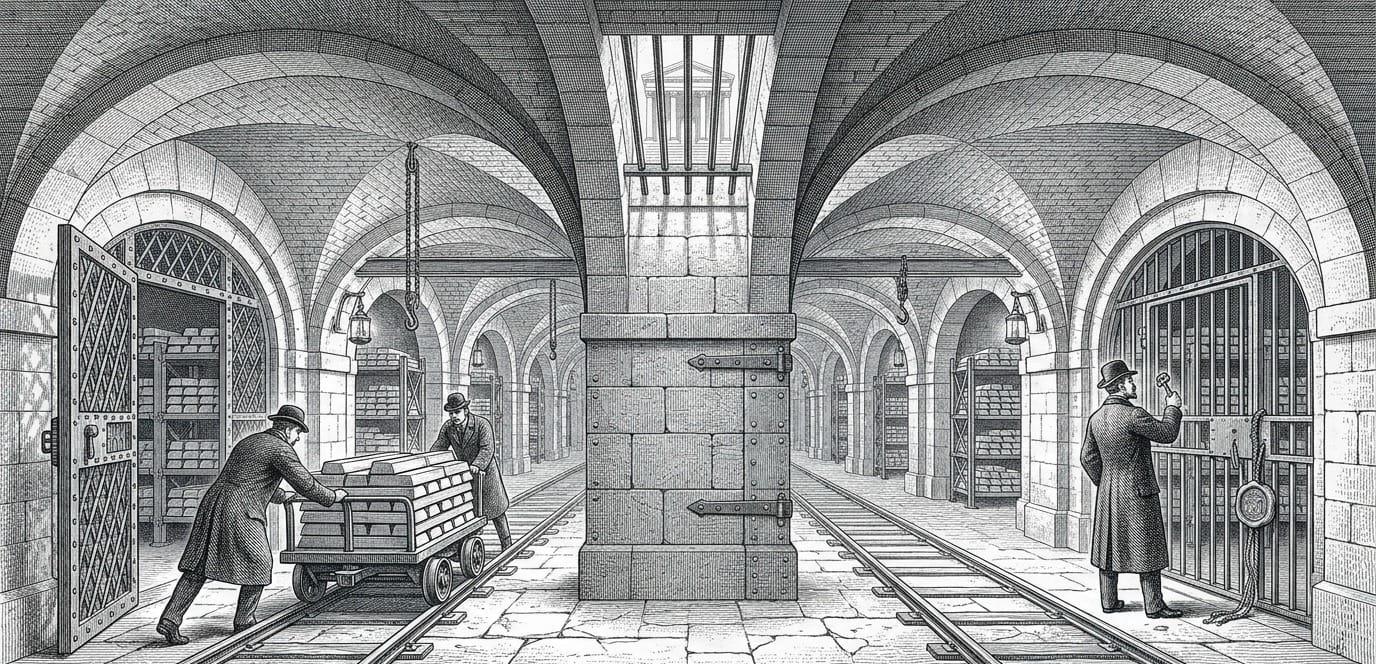
Each of those doors swings the same way, taking the failures out of view. Metal has no such door. Nobody votes on whether an ounce still qualifies, which is part of why attention keeps returning to it.
▫️ THE CASE FILE
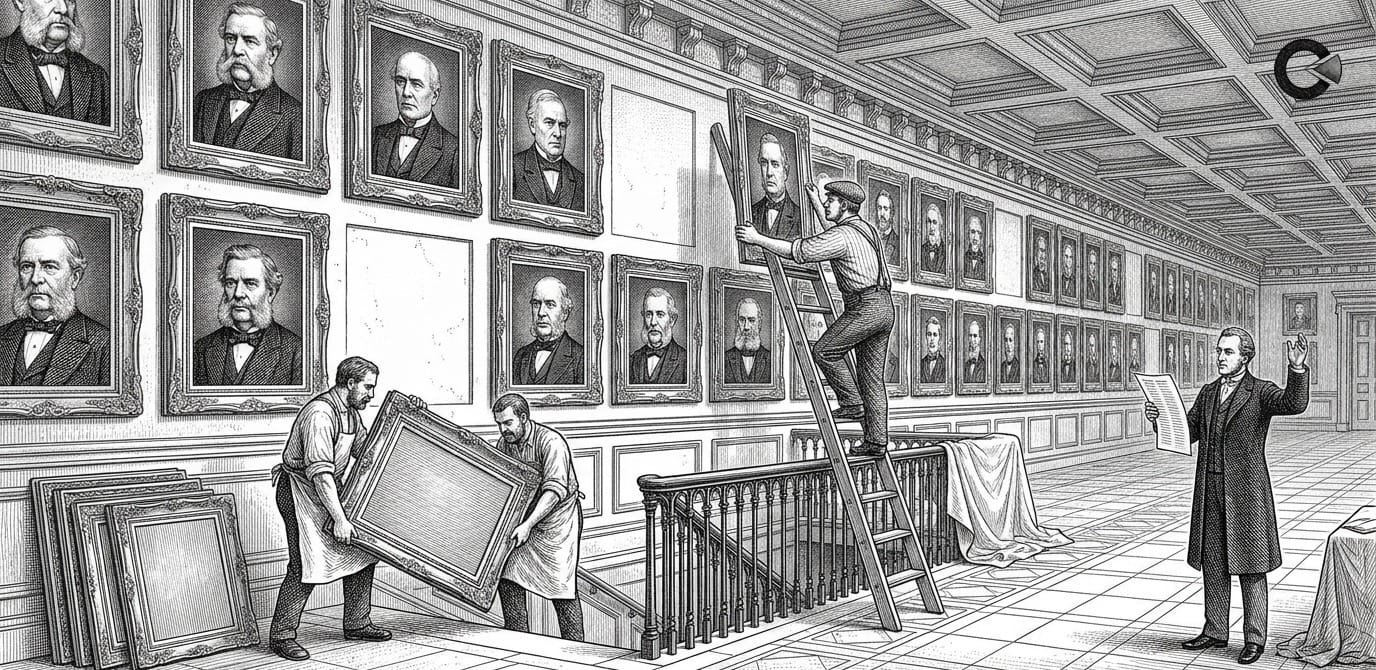
The Dow Jones Industrial Average shows the process running in public. It was first published on May 26, 1896 with twelve industrial companies and a starting value of 40.94, and it has never stopped changing.
General Electric was an original member in 1896 and a continuous member from 1907, the last of that original twelve still in the average. In June 2018 the index committee replaced it with Walgreens Boots Alliance before the open on Tuesday, June 26, ending a run of 111 years.
The average went on without pause. Its long-run chart carries no mark at that date and no trace of what came next. A reader studying a century of Dow performance is reading a membership edited whenever editing was needed.
▫️ THE PRESSURE TEST
- Survivorship is not a trick. An index is built to track a living market, and one that never replaced anything would stop describing the economy it measures.
- Broad ownership still captured the winners. An investor holding the whole list owned the eighty-six as well, which is the honest argument for owning the index rather than choosing from it.
- The effect is measured, not concealed. Data providers keep delisted returns, and the research above was built from exactly that record.
- Concentration cuts both ways. A result carried by a few names is fragile over any single year and has been generous across long ones.
The habit worth keeping is to ask what a number excludes before trusting it, and to hold a foundation at the centre that no list can drop.
▫️ AUTHOR'S LENS
I keep a folder of research on companies I once owned that no longer exist. Not to punish myself. I keep it because their names appear in no average I will ever read again. The market's memory is short and its records are tidy, and the tidiness is the part that misleads.So I read every long-run number twice. Once for what it says, and once for who is missing from it. What sits at the base of my capital was never on a list to begin with.Build the structure. Ignore the noise. |  |
▫️ PAST ISSUES